


Here are some stories to watch this week:
Jensen Huang’s exit from Nvidia and what it could mean for Cassava Technologies and AI in Africa.
Delta’s half-year results, competition from Varun, tax breaks and beer, and what Delta’s growth says about Zimbabwe’s economy.
Jensen Huang and the impact on Cassava and AI in Africa
The biggest story last week was Nvidia CEO Jensen Huang resigning after news broke of affairs with a suspected Chinese spy and a direct report at Nvidia.
These issues were enough to lead to his resignation on 12 November as CEO of the company he co-founded 33 years ago in California.
However, this could also have a big impact on AI development in Africa, particularly for Cassava Technologies, the pan-African tech group founded by Dr Strive Masiyiwa and part of the broader Econet Group.
Cassava, through its Cassava AI unit, has been building AI factories with Nvidia as a key partner, and launched its first AI factory in South Africa this year.
AI factories essentially rent out the computing power companies need to transform raw data into intelligence, and to train or run advanced AI models and agents, at an industrial scale.
In an interview with John Hope Bryant, Econet and Cassava founder and chairman Dr Strive Masiyiwa remarked that when the first AI factory went live, it was completely full with clients from Africa.
Demand was so great that he is now planning to “20x” the investment and is looking to invest $3 to $4 billion over the next 18 months. A key part of scaling up would involve sourcing Nvidia chips, which are what power AI factories.
This is not easy. Nvidia has the best chips and platforms, and demand for them has been sky-high. To illustrate, one report claims Nvidia can currently fulfil only 1% of China’s massive $70 billion order for AI chips.
For Cassava to have accessed the chip allocation it did would not have come easy.
However, it seems that Dr Masiyiwa had built a relationship with Jensen Huang, which could have helped secure an equity investment from Nvidia into Cassava Technologies in October 2025.
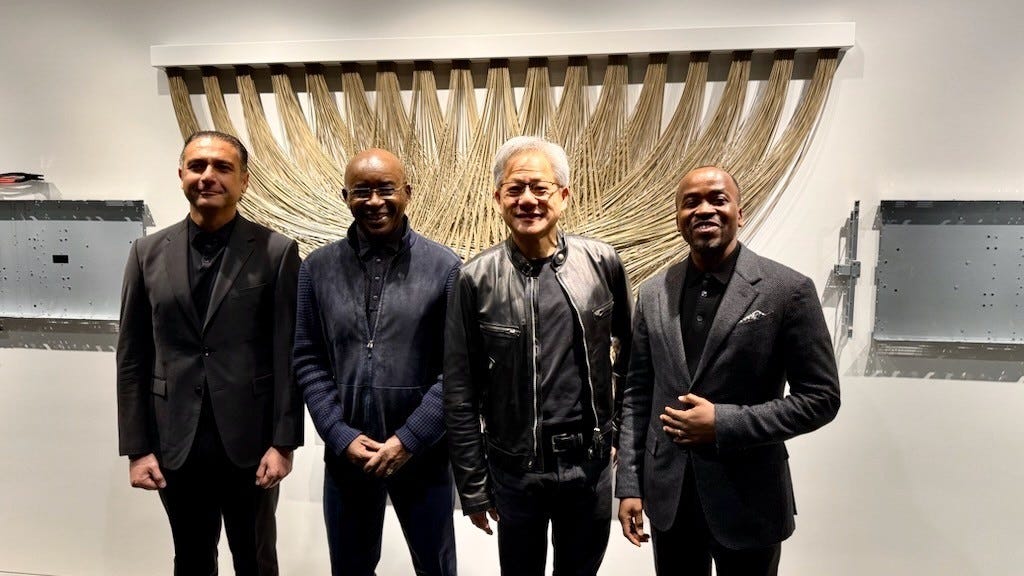
Jensen had been an advocate of investing in, or providing some sort of financial support to, Nvidia’s key partners and customers.
This relationship building and deal making is a key thing to consider.
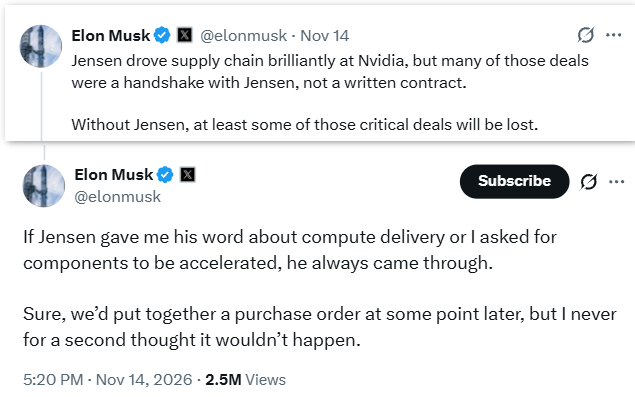
Elon Musk has said that Jensen was one of those who would strike deals based on a handshake and then make sure they were delivered, with the formalities following. Could this have been the same approach when dealing with other key partners such as Cassava?
Now, with an interim CEO, Colette Kress, who is also the CFO, it’s unlikely things will be business as usual at Nvidia.
With Cassava planning to scale up and Jensen no longer in charge, will Nvidia still support its partners in the same way, particularly in African markets, which are often misunderstood and where Jensen appears to have seen the potential?
That said, Nvidia is a shareholder in Cassava, and Cassava is its official cloud partner in Africa, so perhaps the impact may not be as dramatic.
For now, Cassava is still moving ahead.
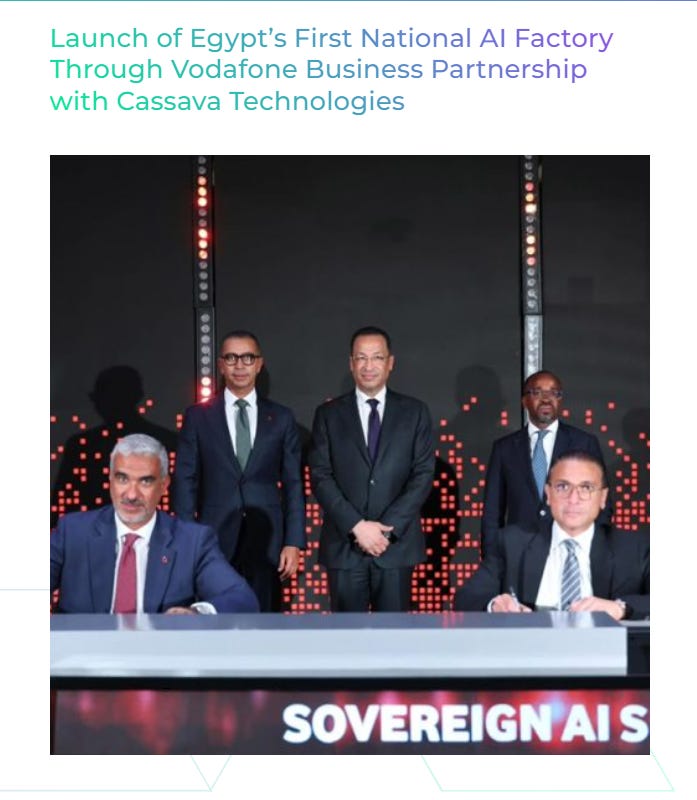
In September, Cassava announced that it was launching Egypt’s first national AI factory in partnership with Vodafone Business. On the same day, Cassava, Vodafone Business and Elsewedy Electric also signed a deal to build Africa Data Centres Egypt, a project with up to $1 billion of planned investment.
So whatever happens there will be a lot of demand for Nvidia’s chips.
Another thing to watch is that it is still possible that Jensen Huang could make a comeback. So far, a petition to bring him back has been signed by over 150,000 people, and Elon Musk says he has signed it too.
This will not be easy. Having an affair with a direct report in the US is a big issue that has cost many CEOs their jobs, and an affair with a potential Chinese spy is just as hard to shake off.
But a faction seems to be advocating this, and the “betting odds” of a Jensen return by the end of the year have increased to 21% as of 15 November, up from 4% on 13 November.
The Financial Times has also reported that Jensen has discussed a possible return with people close to him.
Whatever the case, this story highlights how seemingly unrelated events globally can have a significant indirect impact on business in Africa.
Delta’s Financial Results
Delta Corporation, the biggest listed company in Zimbabwe, released its interim results for the six months to September 2026. There may be a need for a deeper dive later in the week, given the company's importance in the overall ecosystem, but at first glance we can already draw a few nuggets.
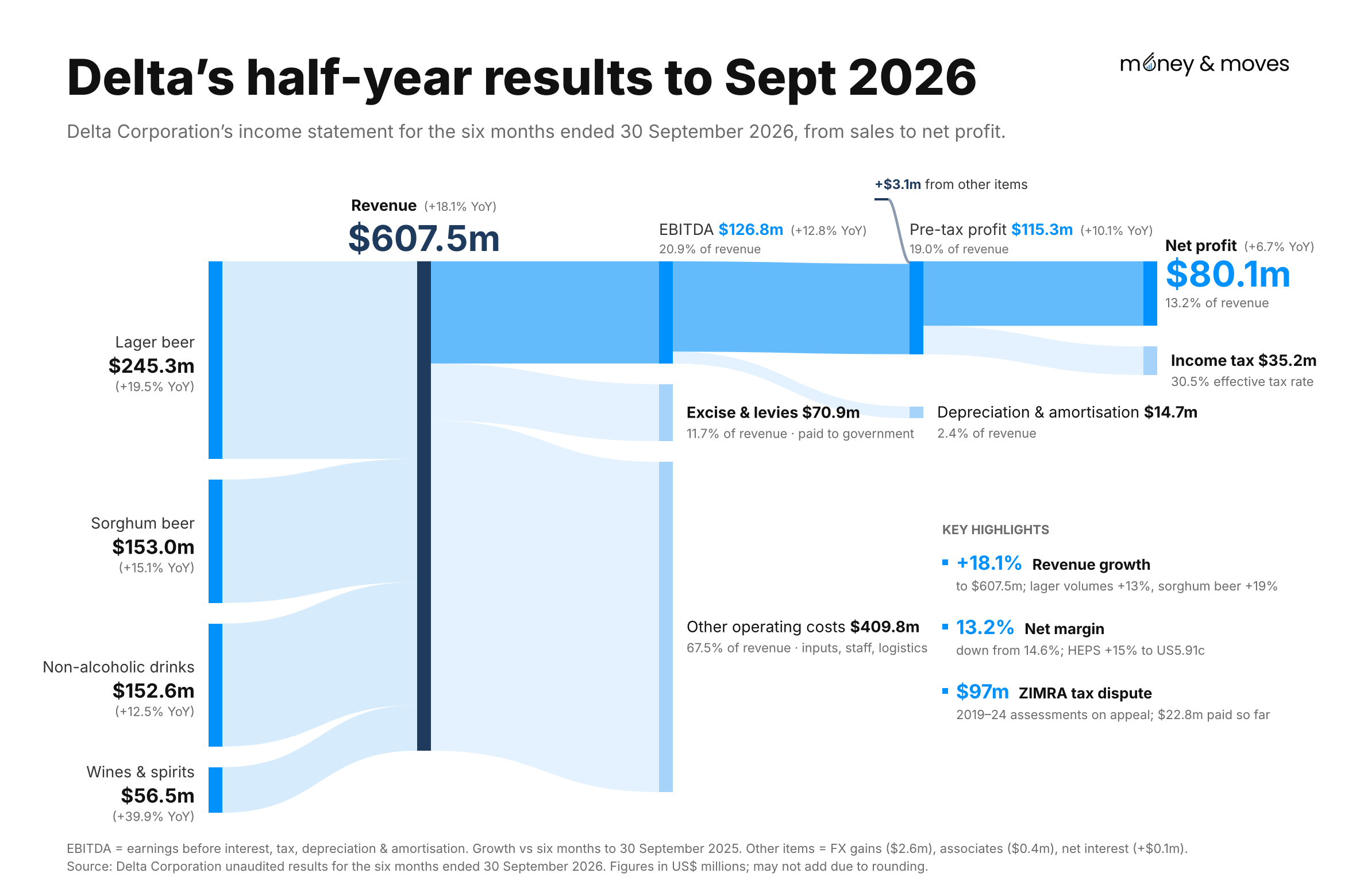
Overall performance was strong, with revenue up 18.1% to $607.5m and net profit up 6.7% to $80.1m. Headline earnings per share were up 15% to 5.91 US cents.
There is still that $97 million dispute with ZIMRA, which Delta’s Board says it “cannot estimate the likely outcome or timing of the resolution”. Depending on how this goes, it could slow the business a bit.
Lager beer is still doing very well, with revenue up 19.5% to $245.3m and a segment operating margin of 32.7%. No wonder Varun Beverages has been trying to enter that space through its Carlsberg partnership.
On that topic, Varun also hit a roadblock in its plans to get additional tax breaks for its planned beer facility.
The Zimbabwe Investment and Development Agency (ZIDA) turned down its application for Special Economic Zone (SEZ) status for a proposed 22ha Carlsberg brewery in Beatrice, pointing to land tenure issues and failure to meet export requirements.
As we discussed before, when Varun launched their soft drinks, they received SEZ status. That came with zero corporate tax for the first five years and other tax benefits. The corporate tax benefit alone saved Varun well over $15m.
These benefits, as well as strong execution, helped Varun gain market share in a way no previous competitor had been able to, growing from just under $200,000 in revenue to close to $200m in about 10 years.
Impressive growth, which Varun Zimbabwe CEO Vijay Kumar Bahl recently said even surprised them. He admitted the company had underestimated the Zimbabwean market when it came in.
Had a similar exemption been granted, I’m sure it would also have helped Varun push into the beer market even more. They will probably still price aggressively to gain market share either way, and it will be interesting to see how consumers respond.
For those who don’t have a strong brand preference, you may benefit from more competitive beer pricing.
One thing that Delta’s growth points to is that I think 2026 will also be a strong year for GDP growth again.
The official forecast is 5%, after 8.3% growth in 2025. But based on Delta’s volume growth, which is often a proxy for GDP growth, I think growth could end up closer to 6%. For more context, you can see my CNBC Africa interview from a few weeks back, where I give an update on the Zimbabwe Economic Update.
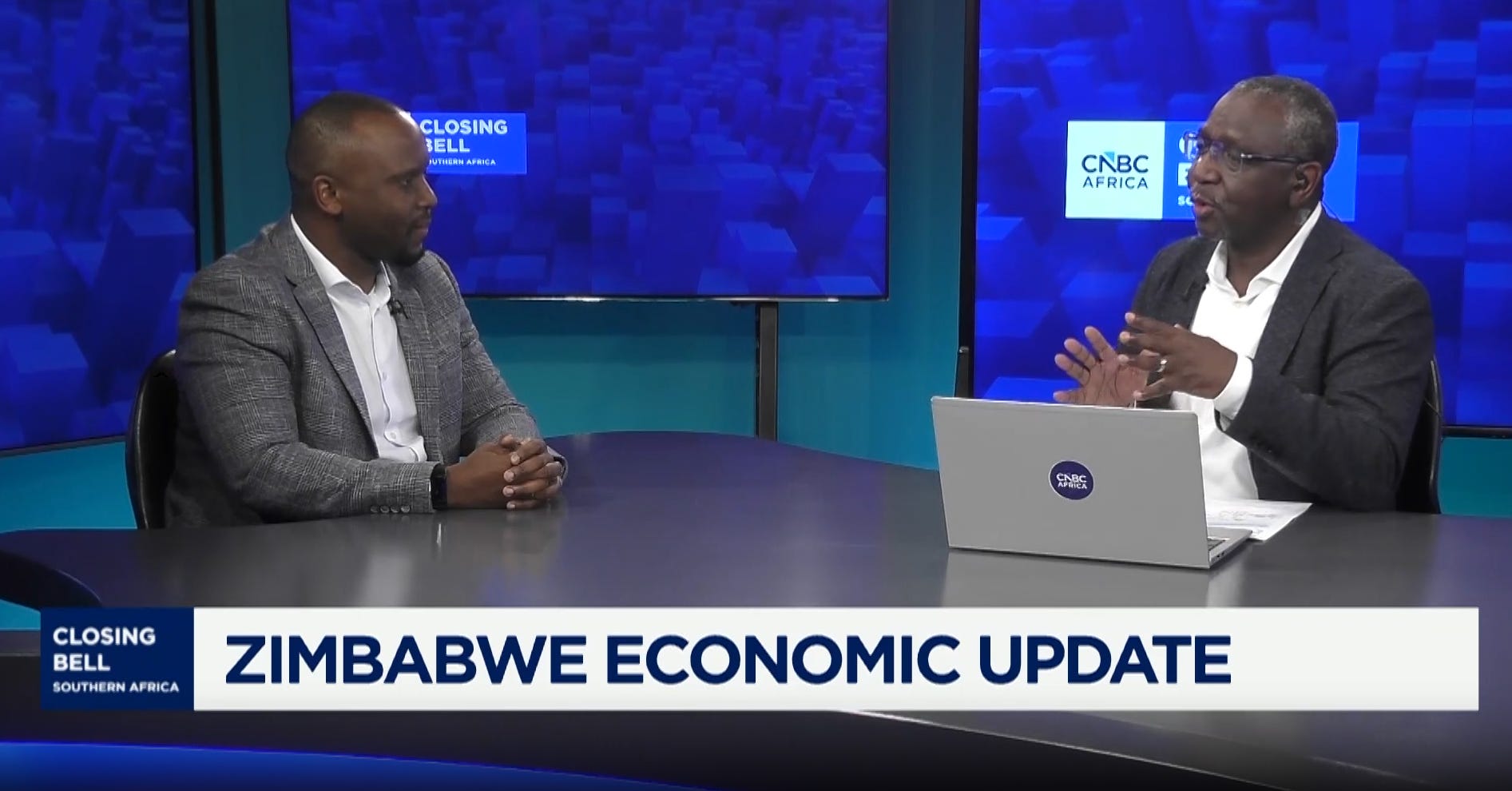
There is much more to cover, including Mwana Group's upcoming IPO on the Zimbabwe Entrepreneurship Exchange (ZEEX), as well as Anthropic’s historic IPO planned for this week, but we will end there for today.
Thanks for reading. If you found this insightful, share it with someone and help them make a better decision.
Note: For educational and informational purposes only. This is not investment advice, a recommendation, or an offer to buy or sell any security. Do your own research and consult a licensed financial advisor before making investment decisions.
#bringbackjensen
Varun holdings being denied SEZ status seems like Delta playing politics to me. Cause Beatrice was a good sight and it made sense to apply for it given that location but I guess the powers that be know better. I doubt it will stop them but it is a really big hump and they will have to probably rethink their pricing strategy in entering the beer market.